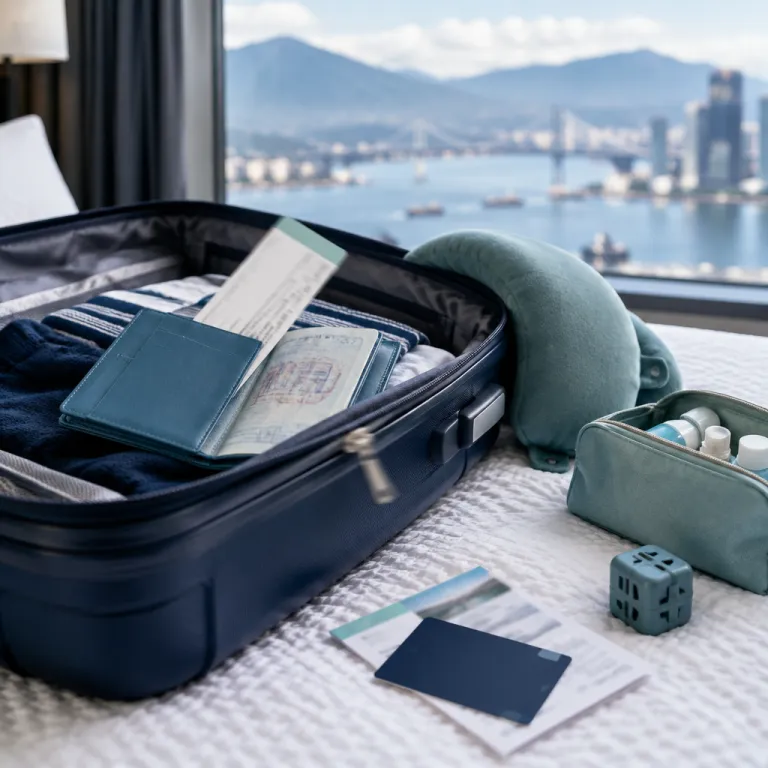
Understanding Vancouver Canada visa requirements for tourists before you book
Before choosing a hotel near Vancouver International Airport (YVR), it helps to understand the main entry rules that apply to visitors. Depending on your passport and how you travel, you may need a visitor visa, an Electronic Travel Authorization (eTA), or only standard identity documents to enter Canada. Clarifying these conditions early lets you focus on selecting the right airport hotel instead of worrying about surprises at the immigration desk.
Most visitors arriving by international flight fall into two broad groups, based on citizenship and residency status. Travellers from visa-exempt countries usually need a valid passport and an approved eTA linked to that passport, while nationals of other states must obtain a temporary resident visa in advance through the Government of Canada. If you are a permanent resident or hold Canadian citizenship, you instead rely on a Canadian passport or a permanent resident card as your primary travel document when you come to Canada for leisure or business.
Travellers from the United States have slightly different rules when they travel by air or land. American citizens flying with Air Canada or another carrier to Vancouver generally do not need a visa but must carry a valid passport that meets requirements for international travel. United States permanent residents, however, must show both their Green Card and a valid passport from their country of citizenship to meet requirements at the border and should carry any supporting travel documents that prove their status as permanent residents.
Who needs a visa, who needs an eTA, and how this shapes your YVR hotel plans
For many international visitors, the most important Canadian entry rules involve the distinction between a traditional visa and an Electronic Travel Authorization. If you are from a visa-exempt country, you usually apply online for an eTA before travelling, and this electronic approval is digitally linked to your valid passport for up to five years or until the passport expires. Because the eTA is pre-screened through Government of Canada systems, it can simplify your arrival at Vancouver International Airport and reduce stress when you head to your hotel shuttle or private transfer.
Travellers who are not visa-exempt must obtain a visitor visa through a Canadian government office or an authorized visa application centre. This process requires you to submit documents that prove your ties to your home country, your financial capacity for travel, and your intent to leave Canada before your status expires, and you may also need to provide biometrics. Once your visa is issued, you should verify that the details printed on the sticker match your passport information and that the dates are valid for your planned stay in Vancouver and any onward travel.
Canadian citizens and Canadian permanent residents have different obligations that still influence airport hotel planning. Canadian citizens must travel with a Canadian passport when they fly back to Vancouver, while Canadian permanent residents must carry their permanent resident card or permanent resident travel document to re-enter Canada by air. If you misplace these travel documents while abroad, you may face delays that affect your secure flight booking and your reserved room at a YVR-area property, so always keep digital and paper copies of key documents in separate bags.
How arrival procedures affect your first night near YVR
Arrival formalities at Vancouver International Airport can take time, especially when several long-haul flights land together. If you know that your citizenship or resident status requires extra screening, consider booking a hotel with a flexible check-in policy and 24-hour front desk near the terminal. This is particularly helpful for travellers connecting from the United States, Saint Pierre and Miquelon, or other regional hubs who may face tight connections and variable immigration queues.
When you plan your transfer from the airport to downtown hotels, factor in both your entry documentation and your arrival time. A late evening flight combined with extra questions about your travel history can make a same-night connection to Whistler or Vancouver Island unrealistic, so an overnight stay near YVR becomes a comfortable buffer. For detailed options on taxis, Canada Line trains, and private cars between the airport and central properties, consult this guide to elegant and efficient transfers from Vancouver airport to downtown hotels.
Key documents every international tourist should carry for a smooth YVR stay
Whatever your nationality, the most important item for meeting Canadian border rules is a valid passport that remains current for the entire duration of your stay. Many airlines, including Air Canada, also prefer that your passport be valid for at least six months beyond your return date, even if Canadian law does not always demand that extra validity. Check your airline’s secure flight information page and your booking confirmation to ensure that your name and passport number match exactly, because discrepancies can cause delays at check-in.
In addition to your passport, you should carry printed and digital copies of your visa, eTA approval email, or other travel authorization. These travel documents can be requested by airline staff before boarding and by border officers when you enter Canada, and having them ready speeds up the process so you can reach your hotel more quickly. Keep your hotel confirmations, return or onward flight details, and proof of funds in the same folder, because officers sometimes ask to see evidence that you will leave Canada on time and that you can support yourself while travelling.
Some travellers hold dual citizenship or special statuses that require extra care with documents. If you are a Canadian citizen with another nationality, you should still use your Canadian passport to board your flight to Vancouver and to enter Canada, while using the other passport only where required by foreign governments. Permanent residents of Canada returning from the United States, Saint Pierre, or other nearby territories must show their permanent resident card or a permanent resident travel document, and they should verify that these documents are valid before booking non-refundable YVR hotel rates or cheap flights to Vancouver that are matched with specific airport hotel and airfare combinations.
Special cases: United States visitors, Saint Pierre and Miquelon, and transit passengers
Visitors from the United States form one of the largest groups navigating Canadian entry requirements at YVR. American citizens arriving by air must carry a valid passport, but they usually do not need a visa or an eTA to enter Canada for short stays as tourists. However, if they are transiting onward to a third country, they should verify whether that destination imposes additional visa requirements that could affect their return flight and hotel plans.
United States permanent residents enjoy relatively straightforward access to Canada but must still respect specific document rules. They must show a valid passport from their country of citizenship and a Green Card when they travel by air, and airline staff will check both items during secure flight screening. If a permanent resident misplaces either document while staying at a Vancouver airport hotel, they should contact both United States and Canadian authorities immediately, because replacement processes can be lengthy and may require changes to hotel reservations.
Travellers from Saint Pierre and Miquelon, a French territory off the coast of Newfoundland, often route through other Canadian cities before reaching Vancouver. Citizens of Saint Pierre usually follow the same visa rules as other French citizens, which means they are generally visa-exempt but must obtain an eTA when they fly to enter Canada by air. When planning a long journey that includes multiple nights in YVR-area hotels, these travellers should ensure that their electronic authorization remains valid for the entire itinerary and that their travel documents reflect any changes in citizenship or resident status.
How your immigration status influences hotel choices around Vancouver International Airport
Your immigration status under Canadian visitor rules can subtly shape the type of hotel you choose near the airport. Travellers who expect secondary questioning at the border, such as those with complex citizenship histories or recent changes in resident status, may prefer properties with late-night dining and flexible cancellation policies. This gives them a safety net if a long interview with Government of Canada officers delays their exit from the secure area.
Canadian citizens returning home after long trips often prioritize convenience over extensive amenities, because they usually clear immigration quickly with a Canadian passport and can reach downtown within an hour. By contrast, visitors who must present multiple documents, such as a valid passport, a visa, and proof of permanent resident status in another country, may want a hotel directly connected to the terminal to minimize stress after a long flight. Families travelling with children should also consider properties that offer early check-in or luggage storage, in case immigration queues extend their time in the arrivals hall.
Parking and onward transport are another consideration that intersects with visa requirements and travel documents. If you plan to rent a car after you enter Canada, confirm that your driving licence and identity documents are accepted by the rental agency and that your status allows you to drive as a tourist. For guests who intend to keep a vehicle while staying downtown, this guide to practical parking tips for hotel guests in downtown Vancouver helps you balance airport proximity, parking costs, and the time needed to return to YVR for your departure flight.
Practical planning timeline: aligning visas, flights, and YVR hotel reservations
Thoughtful timing is essential when you align Canadian entry rules with your hotel and flight bookings. Start by checking the official Government of Canada website for the latest rules that apply to your citizenship, then map those timelines against airline schedules and room availability around Vancouver International Airport. This approach reduces the risk of paying for non-refundable rates before you know whether your visa or eTA will be approved.
For travellers who need a full visitor visa, it is wise to apply before locking in premium rooms or long stays in YVR-area hotels. Processing times can vary significantly by country and season, and some applicants may be asked for extra documents that extend the overall duration of the process. As a practical example, Immigration, Refugees and Citizenship Canada (IRCC) has reported that many straightforward eTA applications are decided within minutes, while paper-based visa files can take several weeks depending on local volume. Once your visa is issued and your travel authorization is confirmed as valid, you can confidently book flights and select hotels that match your arrival and departure times.
Those who only need an electronic travel authorization often receive approval quickly, but they should still apply several days before their secure flight departure. Airlines like Air Canada will deny boarding if the system does not show a valid eTA linked to your passport, even if you already hold a confirmed hotel reservation in Vancouver. To avoid last-minute stress, set calendar reminders to recheck your travel documents, confirm that your valid passport will not expire during your stay, and verify that your hotel booking details match your actual travel dates.
Staying compliant during your visit: extensions, status changes, and safe departures
Once you have arrived and settled into your chosen YVR-area hotel, you still need to respect Canadian immigration rules throughout your stay. The entry stamp or electronic record created when you enter Canada usually defines how long you may remain, and you must leave or apply for an extension before that period ends. Overstaying can complicate future applications and may affect your ability to board flights with Air Canada or other carriers bound for Canadian cities.
If you decide to extend your time in Vancouver, perhaps to enjoy more of the city’s culinary scene or to explore nearby regions, you must apply to change or extend your status before your current authorization expires. This process often requires updated documents such as proof of funds, a new travel itinerary, and sometimes a letter explaining your reasons for staying longer, and you should keep copies of all submissions in your hotel safe. While waiting for a decision, you may have implied status that allows you to remain in Canada legally, but you should avoid booking non-essential side trips to the United States or Saint Pierre and Miquelon until your case is resolved.
As your departure date approaches, reconfirm that your valid passport, visa, eTA, and any other travel documents are still in your possession and undamaged. Airlines must verify that passengers meet requirements to enter their next destination, whether that is your home country, another state, or a connecting hub in the United States, so keep your paperwork accessible during check-in. Leaving Canada in full compliance with your status protects your record with Government of Canada systems and makes future returns to Vancouver’s airport hotels and downtown properties far easier.
Key figures on international arrivals, visas, and Vancouver airport stays
- Vancouver International Airport handled approximately 26.4 million passengers in 2019, the last full year before the COVID-19 pandemic, according to Vancouver Airport Authority data, which underscores the importance of understanding visa and eTA rules before booking hotels.
- Government of Canada statistics indicate that roughly three quarters of foreign nationals entering by air are from visa-exempt countries, meaning most rely on an Electronic Travel Authorization rather than a traditional visa, which directly affects airline boarding checks and hotel arrival times.
- Data from the Canada Border Services Agency show that travellers from the United States account for the largest single group of foreign visitors, which explains why many YVR-area hotels tailor services such as early check-in and flexible cancellation to guests crossing the land border or arriving on short-haul flights.
- Destination Vancouver has reported that average hotel occupancy in the city can exceed 80 percent during peak summer months, so aligning visa processing timelines with early hotel reservations is critical for visitors who want properties close to the airport.
- Industry surveys suggest that more than 60 percent of international guests arriving at YVR book at least one night in an airport or nearby hotel when their flight lands after 20:00, reflecting the combined impact of immigration processing times and long-haul travel fatigue.
FAQ about Vancouver Canada visa requirements for tourists and airport hotels
Do I need a visa or an eTA to visit Vancouver as a tourist ?
Whether you need a visa or an Electronic Travel Authorization depends on your nationality and how you travel to Canada. Citizens of visa-exempt countries usually need an eTA when they arrive by air, while citizens of other countries must apply for a visitor visa in advance. Always check the official Government of Canada website for the latest rules before booking flights and hotels.
How long must my passport be valid to stay in Vancouver hotels ?
Your passport must be valid for the entire duration of your stay in Canada. Many airlines and some countries also require at least six months of remaining validity on your passport, so renewing early is often wise. If your passport expires during your trip, you may face difficulties checking into flights or extending your hotel stay.
Can I book a non refundable YVR hotel before my visa is approved ?
You can, but it is risky because visa processing times and outcomes are never guaranteed. Travel experts generally recommend waiting for visa or eTA approval before committing to non-refundable rates, especially during busy seasons when room prices are high. If you must book early, choose flexible cancellation policies near Vancouver International Airport.
What documents will border officers ask for when I arrive at Vancouver International Airport ?
Border officers typically ask to see your valid passport, your visa or eTA if required, and sometimes proof of onward travel and funds. They may also request hotel confirmations or details of friends or family you are visiting. Keeping printed and digital copies of all travel documents speeds up the process and helps you reach your hotel more quickly.
Can I extend my stay in Vancouver if I decide to remain longer than planned ?
In many cases you can apply to extend your visitor status from within Canada, provided you apply before your current authorization expires. You will need to submit forms, pay a fee, and provide supporting documents such as proof of funds and an updated itinerary. Until you receive a decision, avoid unnecessary international trips that could complicate your status.