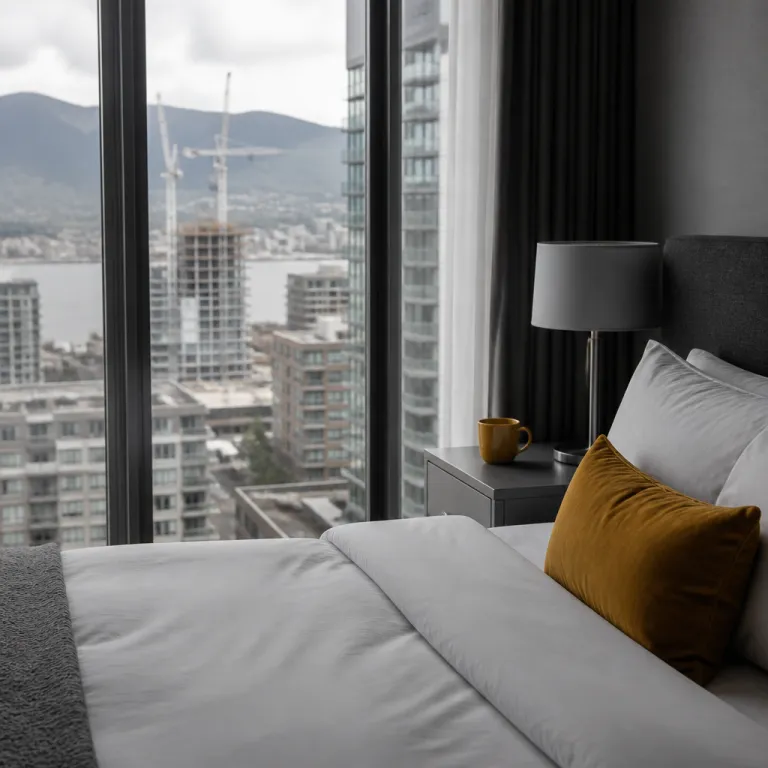
Why hotel guests should care about the Vancouver Canada real estate market
The Vancouver Canada real estate market quietly shapes almost every hotel decision you make. When the housing market cools and the benchmark price for homes falls, more long term residents shift from renting an apartment to buying, which subtly frees up rental stock and influences where new hotels open. For a guest choosing between downtown Vancouver housing options and a waterfront room in Coal Harbour, understanding this real estate backdrop helps explain both nightly prices and availability.
Right now the wider market in Vancouver and across British Columbia is moving through a rare adjustment phase. In its April 2024 monthly market report, the Real Estate Board of Greater Vancouver (REBGV) confirmed that prices are easing while inventory is rising, which is the classic pattern of a buyer market rather than the intense seller conditions that defined Metro Vancouver for many previous cycles. When you see more for sale signs on detached houses or condo apartments in neighbourhoods like Yaletown or North Vancouver, you can usually expect hotel operators nearby to sharpen their rates and packages as local demand shifts.
For visitors, this means the real estate dynamics of Greater Vancouver are no longer just background noise. The same interest rates set by the Bank of Canada that cool Canadian real estate purchases also influence how developers finance new hotel towers and mixed use property types that combine condo apartments with branded accommodation. As one downtown hotel manager recently put it, “when borrowing costs move, our renovation plans and room pricing follow within a season or two.” When you compare listings for hotels, serviced apartments, and extended stay suites, you are indirectly reading a live market report on how the Vancouver housing and investment landscape has evolved over the past year.
How neighbourhood housing trends affect hotel locations and character
Every neighbourhood you consider for your stay sits inside a very specific slice of the Vancouver Canada real estate market. In downtown Vancouver, high land values and a premium benchmark price for residential units have pushed developers toward tall towers that mix condo apartment floors with hotel rooms, which creates sleek properties where guests share amenities with long term residents. By contrast, in quieter pockets of North Vancouver or Kitsilano, lower average density and more detached houses mean smaller hotels and converted homes that feel closer to traditional residential streets.
Across Metro Vancouver, zoning rules and the housing market shape whether you see towers of condo apartments or low rise apartment buildings beside your hotel. Where the real estate association and city planners have encouraged higher density, you will notice more compact rooms, higher prices per square metre, and vibrant streets that stay lively late into the evening. In areas where listings show mostly single family property types and limited multifamily housing, hotels often occupy larger plots, offer more generous room sizes, and price themselves as calm retreats from the city core.
British Columbia’s coastal geography adds another layer to these patterns. With mountains to the north and the Pacific to the west, developable property is scarce, which keeps both housing and hotel prices elevated compared with many other Canadian real estate markets. A North Shore developer recently noted that “every new site feels like the last flat piece of land,” a comment that captures why waterfront and mountain view rooms remain at a premium. When you evaluate a listing for a harbour view room or a mountain facing suite, remember that the same scarcity driving the Vancouver housing market and pushing up the MLS HPI for condos is also embedded in your nightly rate.
Reading hotel prices through the lens of local property values
Hotel rates in Vancouver rarely move in isolation from the broader Vancouver Canada real estate market. When the benchmark price for residential property in Greater Vancouver softens, as recent market report data from the Real Estate Board of Greater Vancouver shows, owners of hotel assets often face lower valuations and adjust their pricing strategies to protect occupancy. Guests may notice more frequent promotions, value added packages, or flexible cancellation policies as operators respond to slower sales in the surrounding housing market.
Think of your nightly room price as a short term reflection of long term real estate costs. In districts where the MLS HPI for condo apartments and detached houses remains high, such as central Vancouver and parts of North Vancouver, hotels must charge enough to cover elevated land and construction expenses, which keeps average rates firm even when demand softens. Where listings data shows more inventory and reduced prices, especially in fringe areas of Metro Vancouver, you are more likely to find competitive hotel deals and generous loyalty benefits.
Interest rates play a crucial role in this pricing dance. When the Bank of Canada raises borrowing costs, financing for new hotel projects and existing property refinancing becomes more expensive, which can limit new supply even as housing sales cool. When policy rates stabilize or decline, some projects that were on hold can move ahead, adding fresh rooms and nudging operators to compete more aggressively on value. For travellers, this means that a soft buyer market in residential real estate does not always translate into dramatically cheaper hotel prices, but it often brings more choice and subtle value improvements in everything from room upgrades to breakfast inclusions.
What rising inventory and shifting demand mean for your stay
The latest data from Vancouver realtors and the regional real estate association points to rising inventory across many property types. More active listings for apartments, detached houses, and condo apartments signal that sellers are adjusting expectations, while buyers take more time to compare prices and neighbourhoods. For hotel guests, this environment usually coincides with a calmer city rhythm, less speculative construction noise, and a more measured pace of development around key visitor districts.
Higher inventory in the Vancouver housing market also affects how mixed use projects are planned. Developers who once focused almost entirely on residential condo apartments in prime Vancouver locations now consider adding hotel floors or serviced apartment wings to diversify income, especially when pure residential sales slow. Over the next year, guests may see more properties where a single tower combines a hotel, rental apartments, and privately owned units, blending the feel of a residential building with the services of a full service property.
From a guest experience perspective, shifting demand patterns can be an advantage. When local buyers hesitate and sales volumes fall by several per cent, construction timelines often stretch, which reduces short term disruption around existing hotels in dense parts of Greater Vancouver. At the same time, city planners and British Columbia housing agencies may push for more balanced development, encouraging projects that include both visitor accommodation and long term housing, which creates more integrated and authentic neighbourhoods for you to explore between meetings or sightseeing.
Choosing between hotel and apartment style stays in a changing market
Travellers to Vancouver now face a wider choice between classic hotels and apartment style stays than at any previous point in the local market cycle. As the Vancouver Canada real estate market cools and some investors step back from buying additional condo apartments, more existing units shift into the short term rental pool, which competes directly with hotels for your booking. This expansion of options can be attractive, but it also makes it essential to understand how regulations and housing priorities in British Columbia influence what is legally available.
City authorities and provincial housing bodies are increasingly focused on protecting long term housing supply. When too many apartment units in central Vancouver convert to nightly rentals, pressure on the housing market intensifies, pushing up the benchmark price for remaining stock and drawing criticism from residents and the real estate association. In response, regulations tighten, some listings disappear, and hotels regain relative strength, offering fully compliant stays that support local employment and align with broader housing goals.
For guests, the most comfortable balance often lies in professionally managed properties that combine the space of a condo apartment with the reliability of a hotel. These hybrid developments, common in downtown Vancouver and parts of North Vancouver, operate under clear rules, pay commercial taxes, and contribute to transparent market report data that both the Real Estate Board of Greater Vancouver and financial institutions can track. When you choose such a property, you benefit from kitchen facilities and residential scale layouts without adding pressure to already stretched Vancouver housing supply.
Practical booking strategies aligned with the Vancouver Canada real estate market
Aligning your booking strategy with the rhythms of the Vancouver Canada real estate market can materially improve both value and experience. When market report updates show rising inventory and a modest decline in the benchmark price, it often signals a window when hotels are more open to negotiation for groups, extended stays, or corporate contracts. Solo travellers can benefit too by targeting midweek dates outside peak conference periods, when demand from business buyers softens and leisure guests have more leverage.
Pay attention to how interest rates and broader Canadian real estate trends filter into local conditions. A series of Bank of Canada rate hikes typically cools residential sales across Metro Vancouver, which can slow new hotel construction and focus competition among existing properties, especially in central Vancouver and Greater Vancouver transit hubs. During such periods, established hotels may invest more in service upgrades and loyalty benefits to differentiate themselves, giving attentive guests better overall value even if headline prices do not fall dramatically.
Finally, use neighbourhood level signals to refine your search. Areas where listings show a healthy mix of property types, from detached houses to mid rise apartment buildings and modern condo apartments, usually offer a balanced feel that suits both short and long stays. When you see a cluster of cranes and rapid sales in pre construction real estate marketing, expect some short term disruption but also future gains in dining, retail, and transit options, which can make returning to the same Vancouver district in a later year especially rewarding.
Key figures shaping accommodation choices in Vancouver
- According to the Real Estate Board of Greater Vancouver April 2024 report, the benchmark price for a typical home in the region recently stood around 1,104,300 CAD, which anchors land values that hotel developers must factor into every new project.
- Active residential listings in the region reached roughly 16,236 properties in a recent spring period, signalling increased inventory and a shift toward conditions that resemble a buyer market rather than the intense seller environment of previous cycles.
- Year over year, overall home prices in Greater Vancouver have fallen by about 6.8 per cent, a decline that eases pressure on some development costs while encouraging more cautious, mixed use projects that combine housing and hotel components.
- Market analysts and local partners use MLS listings, sales to active listings ratios, and tools such as the MLS HPI (MLS Home Price Index) to monitor how quickly demand absorbs new supply, which in turn influences where new hotels and serviced apartments are financially viable.
FAQ about the Vancouver Canada real estate market and your hotel stay
How does the Vancouver Canada real estate market affect hotel prices ?
Hotel prices in Vancouver reflect the same land and construction costs that drive the benchmark price for homes, so when residential prices and demand ease, operators often respond with more competitive rates and value added packages rather than dramatic headline discounts.
Is the Vancouver housing market currently declining, and what does that mean for guests ?
Recent data from the Real Estate Board of Greater Vancouver April 2024 release shows a year over year price decrease of about 6.8 per cent and higher inventory, which points to a cooling market that usually brings steadier development, fewer speculative projects, and a more relaxed atmosphere around major hotel districts.
What is the average home price in Vancouver, and why should travellers care ?
The benchmark price for a typical home in Greater Vancouver sits a little above one million Canadian dollars, and this elevated level explains why centrally located hotels command premium rates and why mixed use towers combining condo apartments with hotel rooms are so common.
How many active property listings are there, and does that influence where hotels open ?
With more than sixteen thousand active residential listings recorded in a recent month, developers and investors can clearly see which neighbourhoods attract sustained demand, and they often position new hotels or serviced apartments close to those areas to benefit from established amenities and transit.
Should I choose a hotel or an apartment style stay in Vancouver ?
In a tightening regulatory environment where authorities aim to protect long term housing, professionally managed hotels and hybrid condo apartment properties usually offer the safest, most compliant choice, combining reliable service with layouts that reflect local real estate realities.
Trusted sources
Real Estate Board of Greater Vancouver (REBGV) monthly market reports, including the April 2024 statistics release
British Columbia government housing publications and policy summaries
Bank of Canada monetary policy reports and rate announcements, such as recent policy interest rate decisions
