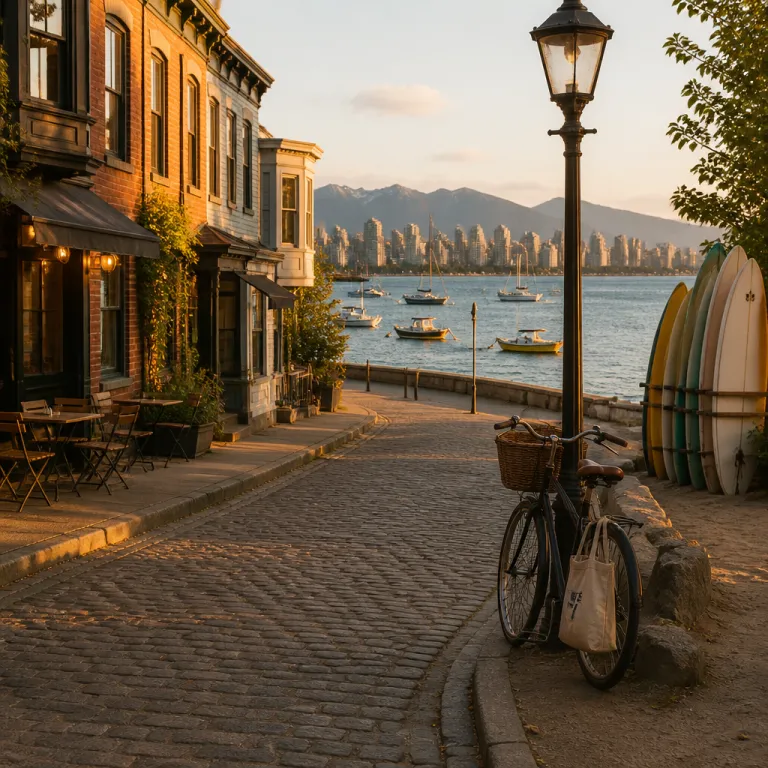
How the best neighborhoods in Vancouver to live guide your hotel choice
Choosing where to stay in Vancouver is really about choosing a neighborhood that matches how you like to live. In a compact coastal city where the downtown area, the beaches in the west, and the creative streets of the east sit minutes apart, the best neighborhoods in Vancouver to live also shape the most rewarding places to book a hotel. When you understand how residents choose their homes and communities, you can select a stay that feels less like a quick visit and more like a temporary move into one of the great Vancouver neighborhoods.
Locals talk constantly about cost of living, housing costs, and the Vancouver average price for homes, because these factors push people toward different neighborhoods Vancouver offers across the map. Those same forces explain why some streets feel polished and vertical with high rise towers, while others in east Vancouver feel low slung, independent, and community driven, which is exactly what many travellers want to experience when they live Vancouver for a few days. When you align your hotel with a residential area locals actually choose, you gain easy access to restaurants, parks, and transit that residents rely on every day, rather than staying in an isolated pocket of the city.
For a visitor, the question is not only which is the Vancouver best neighborhood on paper, but which area lets you move through the city as residents do. Some travellers gravitate to downtown Vancouver for its walkable grid, while others prefer the calmer rhythm of Kitsilano or Mount Pleasant, where homes sit closer to cafés than to corporate towers. Thinking in terms of liveability, not just sightseeing, will help you find options that feel authentic, whether you are focused on nightlife, seawall strolls, or quiet residential streets that still keep you close to the action.
Downtown Vancouver and the West End: urban energy with green space at your door
For many travellers, the best neighborhoods in Vancouver to live for a week or more start in the downtown area, where hotels cluster around transit, dining, and the harbour. Downtown Vancouver is dense and vertical, with high rise towers that mix offices, homes, and hotels, yet the water and mountains remain visible at the end of almost every street. If you want to live Vancouver in a way that maximises time on foot, this is the city core that lets you walk from your room to restaurants, theatres, and the seawall in minutes.
On the western edge of downtown sits the West End, a residential neighborhood that locals prize for its proximity to Stanley Park and English Bay. Here, older high rise buildings and mid rise homes line leafy streets, and the community feel is strong despite being steps from the busiest part of the city, which is why many residents consider it among the best neighborhoods for long term liveability. For hotel guests, staying in the West End means you can find quieter options on tree lined streets while still having fast access to downtown Vancouver nightlife and free public beaches.
Stanley Park itself anchors this side of the city, offering forested trails, seawall cycling, and water views that define Vancouver neighborhoods along the west side of the peninsula. From a hotel near the park, you can reach Coal Harbour, the downtown area, and the West End on foot, which keeps transport costs low and helps offset the higher cost of living and housing costs that shape this part of Canada. If you are planning a refined three day stay that balances city energy with nature, basing yourself here works beautifully with a curated itinerary such as a three day Vancouver itinerary around your hotel, and you will find well known properties like the Fairmont Waterfront or the Sylvia Hotel typically ranging from about 250 to 450 CAD per night in high season.
Kitsilano and Granville Island: west side beach life and artisan flavour
Across False Creek from downtown, the west side neighborhoods Vancouver residents love for relaxed living begin with Kitsilano and Granville Island. Kitsilano, often shortened to "Kits", is a west Vancouver neighborhood where homes range from character houses to low rise apartments, and the streets slope gently toward sandy beaches with mountain views. Families and professionals rate it among the best neighborhoods in Vancouver to live because the community balances schools, parks, and lively restaurants along West 4th Avenue and West Broadway.
For hotel guests, staying near Kitsilano means you can live Vancouver days at a slower pace, starting with a beach walk and ending with dinner at local restaurants that spill onto the street in summer. You gain easy access to Granville Island, the artisan hub tucked under the Granville Street Bridge, where the public market, theatres, and galleries sit beside marinas and converted industrial buildings. Granville Island itself is technically a small neighborhood, and while housing costs here are high and homes limited, its presence elevates the entire area for visitors who want culture within walking distance.
From a practical standpoint, the cost of living on the west side is among the highest in the city, and that reality is reflected in hotel pricing and rent Vancouver residents pay for nearby apartments. Yet many travellers find the value compelling, because free public beaches, waterfront parks, and short transit rides into downtown Vancouver reduce daily expenses and time lost in traffic. If you are comparing the Vancouver best areas for a summer stay, Kitsilano and Granville Island offer some of the strongest options for combining resort like scenery with genuine neighborhood life, with nearby boutique stays such as the Granville Island Hotel often starting around 230 to 350 CAD per night depending on season.
Mount Pleasant and Main Street: creative east side energy for food lovers
Moving east from downtown, Mount Pleasant has become one of the best neighborhoods in Vancouver to live for young professionals, creatives, and hospitality workers. This central neighborhood stretches along Main Street, a historic north south artery where breweries, cafés, and independent restaurants cluster beside vintage shops and small galleries. The community here feels grounded and expressive, and many visitors choose hotels or extended stay options nearby to tap into that local rhythm.
Mount Pleasant sits at the meeting point of several Vancouver neighbourhoods, which makes it a strategic base if you want to explore both west and east sides of the city. Housing costs in this area have risen sharply, and the Vancouver average home price reflects that pressure, but the streets still retain a mix of older homes, low rise apartments, and new high rise developments along key transit corridors. For travellers, that mix translates into varied options, from design forward hotels on Main Street to quieter guesthouses on residential streets that feel more like private homes.
Food focused visitors often rate Mount Pleasant among the Vancouver best areas to stay, because you can live Vancouver evenings entirely on foot, moving from brewery patios to inventive restaurants without needing a car. The cost of living conversation is real here, and locals often talk about how rent Vancouver residents pay in Mount Pleasant compares with nearby east Vancouver pockets, but the payoff is a dense concentration of culture. To understand how well connected this neighborhood is for hotel guests, consult a detailed Vancouver public transit guide for hotel guests before you book, and note that the nearby SkyTrain Canada Line and Expo Line can take you from central stations to downtown Vancouver in roughly 8 to 12 minutes.
Commercial Drive and Grandview Woodland: multicultural streets with local hospitality
Farther east, the Commercial Drive corridor anchors Grandview Woodland, one of the most characterful Vancouver neighborhoods for travellers who value multicultural energy. Commercial Drive, often called "The Drive", is a long street lined with cafés, independent restaurants, and specialty grocers that reflect decades of immigration and community activism. Many residents consider Grandview Woodland among the best neighborhoods in Vancouver to live if you want strong community ties and slightly more attainable housing costs than the west side.
For visitors, staying near Commercial Drive lets you live Vancouver days as many locals do, starting with espresso at an Italian café and ending with live music in a small venue. The area offers a mix of older homes, walk up apartments, and modest high rise buildings closer to transit hubs, which keeps rent Vancouver levels somewhat lower than in downtown Vancouver or Kitsilano, though the cost of living is still high by Canada standards. Hotels are fewer here than in the downtown area, but that scarcity is part of the appeal for travellers seeking hidden hospitality spots embedded in real neighborhoods Vancouver residents actually call home.
Grandview Woodland also provides quick access to other east Vancouver neighbourhoods, making it a smart base if you want to explore beyond the usual tourist grid. You can find free or low cost community events in local parks, and the streets feel lived in rather than curated, which many guests appreciate after a day in the polished city centre. When you weigh the Vancouver average hotel rate against the depth of neighborhood experience here, Commercial Drive often emerges as a Vancouver best choice for culturally curious travellers, with small independent hotels and guesthouses sometimes starting under 200 CAD per night outside peak summer.
North Vancouver and practical tips on cost, access, and timing
Across Burrard Inlet, North Vancouver offers a different perspective on the best neighborhoods in Vancouver to live, especially for those who prioritise mountains and outdoor access. Technically a separate city within Metro Vancouver, North Vancouver feels closely tied to the downtown area thanks to the SeaBus and frequent buses that cross the water in under fifteen minutes. Many residents choose homes here to balance high housing costs with easier access to trails, ski hills, and quieter residential streets.
For hotel guests, North Vancouver can be a strategic base if you want to live Vancouver days that start in the forest and end with dinner in the city. The cost of living remains high, and the Vancouver average home price reflects that, but nightly rates can sometimes undercut comparable options in downtown Vancouver while still offering quick access to the core. You will find a mix of high rise hotels near the waterfront and smaller properties deeper into residential neighborhoods, giving you options that align with how you like to experience a community.
Across all these areas, remember that "Vancouver has a high cost of living, with housing being the most significant expense." That reality shapes everything from rent Vancouver residents pay to the nightly rates you see when you search for hotels in different Vancouver neighbourhoods. To time your stay for value and comfort, consult a seasonal guide such as the best time to visit Vancouver for hotels, cruises, and city stays, then match your preferred season with the neighborhood character that suits you best, and keep in mind that the SeaBus itself takes about 12 minutes to travel between Waterfront Station and Lonsdale Quay.
Key statistics that shape Vancouver neighborhoods and hotel choices
- Vancouver has a population of 662,248 people according to the 2021 Statistics Canada Census, which means the city feels substantial yet still walkable across many central neighborhoods.
- The average home price in Vancouver was about 1,250,000 CAD in 2023 based on data from the Real Estate Board of Greater Vancouver, a figure that directly influences housing costs and helps explain why the cost of living is considered high.
- Central neighborhoods such as downtown Vancouver, the West End, Kitsilano, and Mount Pleasant have seen increased demand for housing, which pushes both rent Vancouver levels and hotel rates higher than in some outer areas.
- Growth in local businesses and cultural events has been strongest in mixed use areas like Commercial Drive and Granville Island, reinforcing their status as some of the best neighborhoods in Vancouver to live and stay for visitors seeking vibrant street life.
- City planning in Vancouver places strong emphasis on sustainable living and green spaces, which is why neighborhoods near Stanley Park, the seawall, and major parks remain especially attractive for both residents and hotel guests.
FAQ: choosing the best neighborhoods in Vancouver to live during your stay
What is the cost of living in Vancouver and how does it affect hotel prices?
The cost of living in Vancouver is high, largely because housing costs and the Vancouver average home price are among the highest in Canada. This reality pushes up rent Vancouver residents pay and influences nightly hotel rates, especially in central neighborhoods like downtown Vancouver, the West End, and Kitsilano. Travellers can often find better value by looking at east Vancouver areas such as Mount Pleasant or Grandview Woodland, where community character is strong but prices can be slightly lower.
Which Vancouver neighborhood is best for families booking a hotel?
Kitsilano is widely regarded as one of the best neighborhoods in Vancouver to live for families, thanks to its beaches, parks, and village like streets. Hotels and furnished homes in this west side area offer easy access to playgrounds, schools, and family friendly restaurants, while still keeping you within a short transit ride of the downtown area. The West End near Stanley Park is another strong option, with safe streets, abundant green space, and a community feel that works well for multi generational trips.
Are there more affordable neighborhoods in Vancouver for longer hotel stays?
Affordability is relative in a city with high housing costs, but some east Vancouver neighbourhoods offer better value for extended stays. Areas around Commercial Drive in Grandview Woodland and parts of Mount Pleasant can provide lower nightly rates than downtown Vancouver, while still giving you strong access to transit, restaurants, and local community life. Looking slightly outside the core, such as in North Vancouver near the SeaBus, can also balance price with convenience.
What are considered the safest neighborhoods in Vancouver for visitors?
Neighborhoods such as Kitsilano and the West End are often cited as safe, with strong community networks, active streets, and good lighting. These areas combine residential homes with mid rise and high rise buildings, and they benefit from regular foot traffic to beaches, parks, and local restaurants. As in any city, it is wise to stay on well lit streets at night and choose hotels in established Vancouver neighborhoods with good reviews and easy access to transit.
How is public transportation in Vancouver for moving between neighborhoods?
Vancouver has an extensive public transit system that includes buses, the SkyTrain rapid transit network, and the SeaBus passenger ferry, which together make it easy to move between downtown Vancouver, east Vancouver, and North Vancouver. Many of the best neighborhoods in Vancouver to live, such as Mount Pleasant, Commercial Drive, and Kitsilano, sit along major transit routes, so you can often stay car free during your visit. When choosing a hotel, check how close it is to key lines and stops so that you can reach different parts of the city quickly and at low cost.
Sources
- Statistics Canada – 2021 Census data for Vancouver population and demographics.
- Real Estate Board of Greater Vancouver – 2023 market reports on average home prices and housing trends.
- Lonely Planet and local real estate guides – Neighborhood profiles for Kitsilano, Mount Pleasant, West End, Granville Island, and Commercial Drive.
